September 17, 2026
Understanding the importance of chimney cleaning is crucial for maintaining a safe and efficient home. Professional chimney cleaning services are essential for home maintenance tasks that are often overlooked by homeowners. The buildup of creosote, a highly flammable substance, poses significant fire risks if not regularly removed. Additionally, blockages and buildups can cause harmful fumes to enter your living space, compromising indoor air quality. Utilizing expert chimney cleaning services ensures your chimney functions efficiently, contributing to the safety and comfort of your home. With the right understanding, you can appreciate the necessity of scheduling routine cleanings.
Exploring the Role of Professional Chimney Services
Delivering Advanced Expertise and Safety Standards
Professional chimney services are vital in guaranteeing thorough and efficient cleanings. These experts utilize advanced equipment and techniques honed through industry experience. While a DIY approach might seem feasible, it often misses the deep-seated creosote or minor structural issues. Professionals delivering specialized chimney cleaning services adhere to safety standards that protect both your property and their workers. By choosing certified professionals, you ensure compliance with local fire safety regulations.
Conducting Comprehensive System Inspections
A primary advantage of hiring professionals is their detailed approach to inspections. Through initial assessments, they identify blockages, damage, or any concerns that may hinder optimal performance. They are also equipped with the knowledge to make necessary repairs or recommend them. The use of advanced diagnostic tools distinguishes top-tier chimney cleaning services, offering detailed insights into chimney conditions. With such expertise, homeowners receive much more than a simple cleaning.
Outlining the Cleaning Process
Executing the Cleaning and Inspection Stages
The chimney cleaning process is structured to ensure every aspect is addressed thoroughly. It begins with an initial assessment, during which professionals examine both the interior and exterior of the chimney. This assessment is integral to identifying specific areas that require attention. Afterwards, the actual cleaning—which involves both manual and mechanical techniques—takes between one and two hours, depending on the condition of the chimney. Relying on routine chimney cleaning services ensures that creosote and other deposits are completely removed.
Providing Documentation and Recommended Actions
Post-cleaning, professionals conduct a thorough inspection again to ensure all issues have been addressed. This follow-up is crucial in guaranteeing the effectiveness of the cleaning and pinpointing any remaining concerns. Providers of professional chimney cleaning services also furnish a report detailing the findings and any recommended next steps. This documentation helps homeowners maintain their records and address potential future repairs. By following this structured approach, chimney services ensure optimal performance and longevity.
Managing Initial Assessment and Inspection
Scheduling the Service
The first step in the chimney cleaning process involves scheduling a service date. Homeowners should aim to arrange these appointments during the off-season when demand is lower. This flexibility allows for better scheduling and potential cost savings. Additionally, scheduling reliable chimney cleaning services early ensures your chimney is ready for peak usage months. Providers often offer online booking options to simplify this process for their clients.
It's imperative to gather necessary information before the scheduled service. Understanding your chimney type, its usage frequency, and any existing issues helps inform the service provider. Sharing detailed information can optimize the assessment process, enabling the service provider to bring the appropriate tools and equipment. Clear communication with service providers regarding any notable observations also aids in a more accurate inspection.
Performing Pre-Cleaning Inspection Procedures
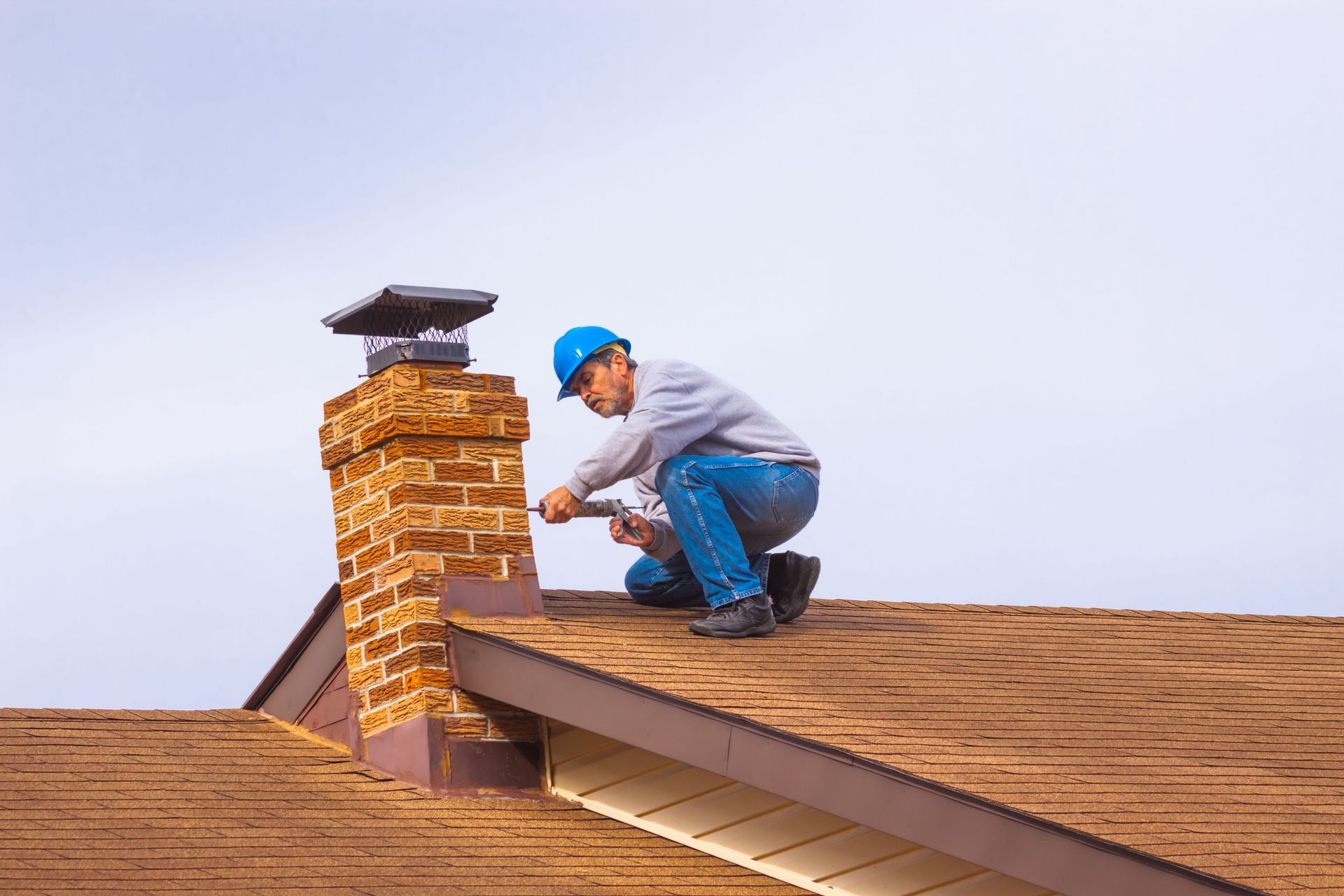
Once the service is scheduled, professionals conduct a pre-cleaning inspection to assess the chimney's current state. This crucial step helps identify hidden dangers and informs the cleaning strategy to be used. Experts will examine the exterior for any structural issues and assess the interior for soot and creosote buildup. By thoroughly examining all parts of the chimney, they ensure no detail is overlooked. This detailed inspection lays the groundwork for an efficient and comprehensive cleaning.
During this inspection, service providers might employ diagnostic tools to enhance their assessment. Cameras, for instance, can provide visual insights into hard-to-reach areas, ensuring no anomalies escape detection. Identifying these issues early minimizes the risks of costly repairs or hazardous conditions later. Professionals performing chimney cleaning services are trained to spot early signs of wear or damage, and their assessments are invaluable for long-term maintenance planning. This inspection step is foundational in quality chimney care.
Identifying Common Inspection Issues
Inspections often reveal a range of issues that must be addressed to maintain a safe and efficient chimney. The most common observation is the accumulation of creosote, a byproduct of burning wood that is highly flammable. Additionally, blockages caused by debris or animal nests can impede airflow, leading to increased risks of smoke infiltration in the home. Structural damage, such as cracked linings or missing chimney caps, also frequently occurs during inspections. Recognizing these issues early is essential for maintaining the chimney's functionality.
Weather-related damage, such as water infiltration or freeze-thaw cycle effects, might also be detected during inspections. These can lead to deterioration over time if not addressed promptly. Moisture can enter the chimney through damaged masonry, compromising the system's integrity. Professionals may also find venting problems, which might not be immediately apparent but can lead to dangerous carbon monoxide buildup. Early identification prevents these concerns from evolving into serious issues.
Navigating the Chimney Cleaning Process
Setting Up for a Clean and Safe Work Area
Before commencing the cleaning process, professionals must establish a clean and safe work area. This step involves protecting the home's interior from soot and debris with protective coverings. Floors and furniture are shielded using tarps or plastic sheeting to ensure they remain unaffected by the cleaning efforts. Creating a designated workspace helps control the spread of dust and debris, maintaining a tidy environment. This preparation is crucial for minimizing inconvenience to the homeowner during the service.
Professionals also prioritize safety protocols to protect themselves and others in the home. Appropriate safety gear, including masks and gloves, is worn to prevent inhalation of dust and other particles. Additionally, service providers ensure proper ventilation to maintain air quality and reduce exposure to fumes. By taking such precautions, the likelihood of accidents and health risks is substantially minimized. A structured and organized setup also streamlines the cleaning process for maximum efficiency.
Applying Manual and Mechanical Cleaning Techniques
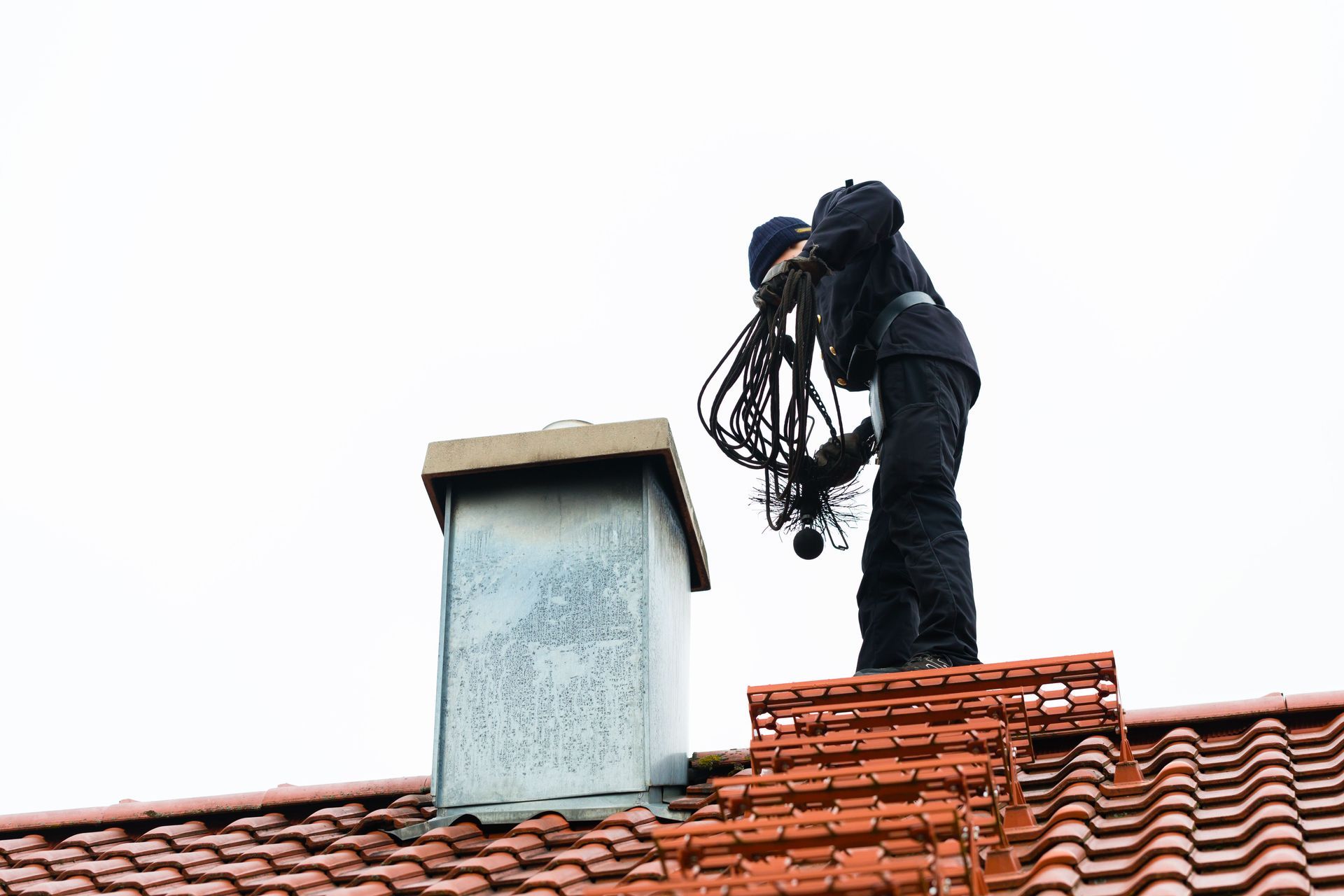
Chimney cleaning involves a combination of manual and mechanical techniques to achieve comprehensive results. Manual methods typically include the use of brushes and rods to scrub away deposited soot and debris. This hands-on approach allows for meticulous cleaning, ensuring no crevice is left uncleaned. Mechanical methods, on the other hand, employ tools like rotary brushes powered by drills for more stubborn buildups. These techniques are especially effective for reaching challenging areas where manual cleaning is impractical.
The choice between manual and mechanical methods often depends on the chimney's condition and the extent of buildup. In cases of excessive creosote accumulation, mechanical techniques significantly expedite the cleaning process. However, some situations might require a more tactile manual approach for delicate areas. According to HomeGuide, on average, a chimney sweep takes one to two hours, with variations based on the level of inspection and cleaning needed. Balancing both methods ensures thoroughness and protects the chimney's components.
Routine chimney maintenance is indispensable for guaranteeing home safety, preserving indoor air quality, and preventing hazardous structural fires. By trusting certified specialists to conduct detailed inspections, clear stubborn blockages, and safely remove dangerous creosote glaze, homeowners can enjoy their fireplaces with total peace of mind. Investing in professional care extends the life of your chimney and maintains optimal heating efficiency season after season. Scheduling regular check-ups is the best way to safeguard your property and loved ones against unexpected hazards.
Keep your home warm, safe, and fire-resistant by contacting Mejia Chimney Services LLC today to schedule your professional chimney inspection and cleaning!