August 11, 2026
Enjoying a warm fire on a chilly evening brings comfort and relaxation to your living room. However, keeping your fireplace running safely requires ongoing attention to your home's venting structure. Over time, constant exposure to outdoor weather and high internal temperatures causes natural deterioration across brickwork, mortar, and flue components. Scheduling a timely chimney repair when minor issues first appear protects your property from severe structural damage and keeps your heating system operating smoothly.
Understanding how outdoor weather and environmental stress impact brickwork helps homeowners recognize early warning signs before major problems develop. Addressing small hairline cracks, loose mortar, and water stains before they spread prevents complex restoration projects down the road. Taking a proactive approach to routine care maintains the safety, comfort, and value of your home.
Understanding Chimney Structural Cracks
Structural cracks manifest in several distinct patterns across exterior brickwork and interior flues. Vertical cracks often develop due to natural house settling or normal thermal expansion as your fireplace heats up and cools down. Horizontal cracks usually indicate more serious structural stress caused by heavy wind exposure or soil movement around your home foundation.
Stair-step cracks typically follow the mortar lines between individual bricks. These gaps often point to foundation shifts or moisture expansion within aging mortar. Identifying these visual patterns helps technicians determine the proper restoration method required to stabilize your structure.
Evaluating Key Causes of Cracking
Seasonal temperature shifts place continuous stress on brickwork and mortar joints. During cold months, moisture that seeps into small masonry pores freezes and expands, forcing tiny gaps to open wider. This repeating freeze-thaw cycle gradually weakens solid brick structures over several passing seasons.
Improper initial construction also contributes significantly to early masonry failure and structural wear. According to Fireplace Experts, a large percentage of structural issues needing professional attention happen because original installers failed to preserve the required 18-inch clearance between the chimney pipe and nearby combustible construction materials. When clearances fall short, heat transfers unevenly into surrounding framing, causing thermal stress that cracks surrounding masonry.
Assessing the Impact on Your Home
Unaddressed masonry cracks create open pathways for rainwater to penetrate deep into your home. Water entering these gaps saturates interior brickwork, weakening the overall structural stability of the entire stack. Over time, moisture infiltration encourages mold growth behind walls and damages surrounding drywall.
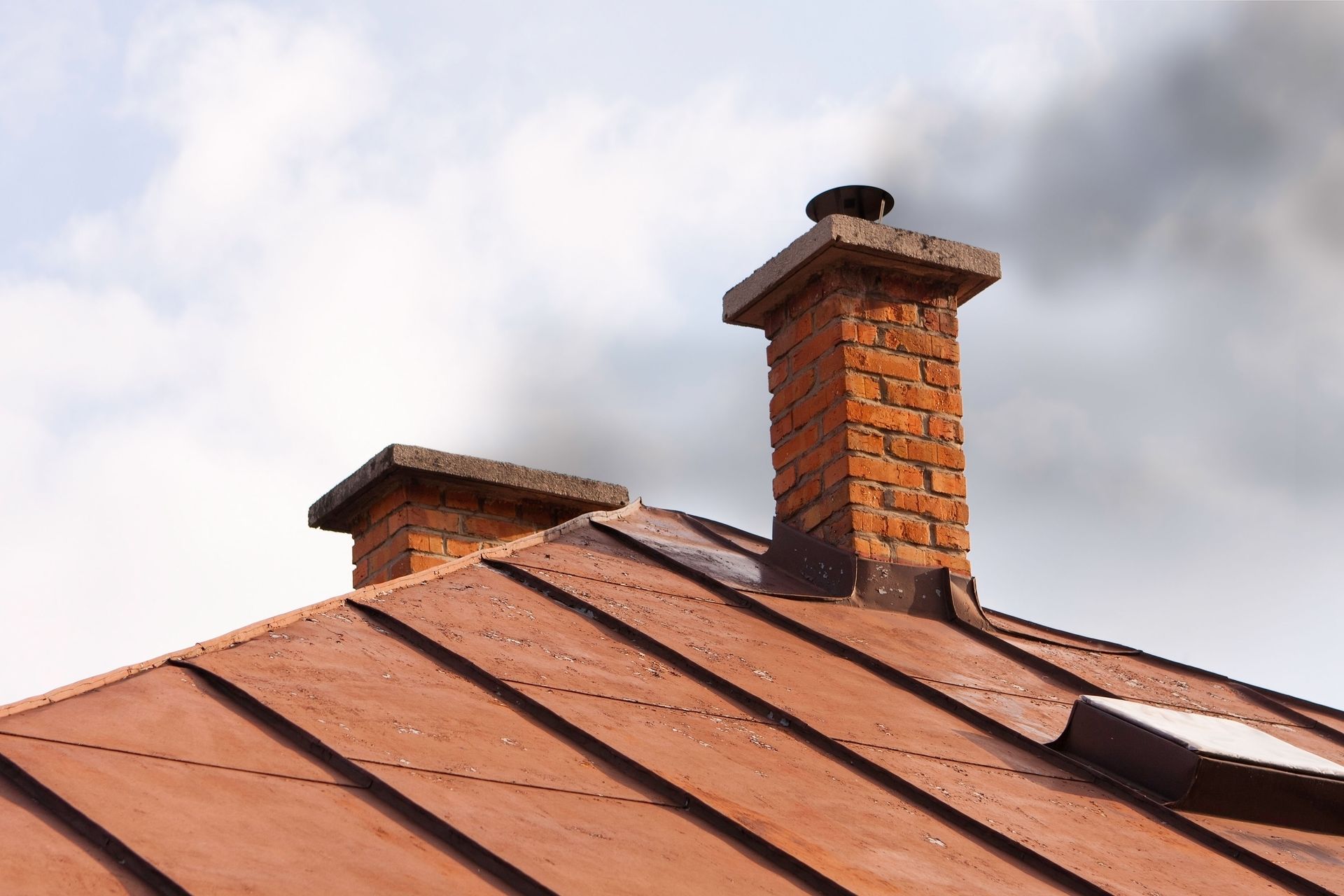
Gaps in flue liners or exterior brickwork also allow dangerous combustion gases to escape into living areas. Smoke, carbon monoxide, and stray embers can leak through small openings, creating indoor air quality risks. Completing a professional chimney repair seals these open pathways, restoring proper draft and keeping exhaust gases venting safely outside.
Fixing Chimney Leaks and Moisture Entry
Water intrusion reveals itself through several clear visual clues inside and outside your home. Water stains appearing on ceilings or walls near your fireplace indicate active leaks around the roofline. You might also notice dark rust accumulating on your metal damper or firebox components.
Musty odors lingering around your hearth point toward hidden dampness and moisture trapped inside the flue. On the exterior, spalling bricks—where the brick face flakes off—show that trapped water is breaking down the masonry. Recognizing these signs early allows you to schedule a targeted chimney repair before water destroys interior finishes.
Installing Protective Caps and Covers
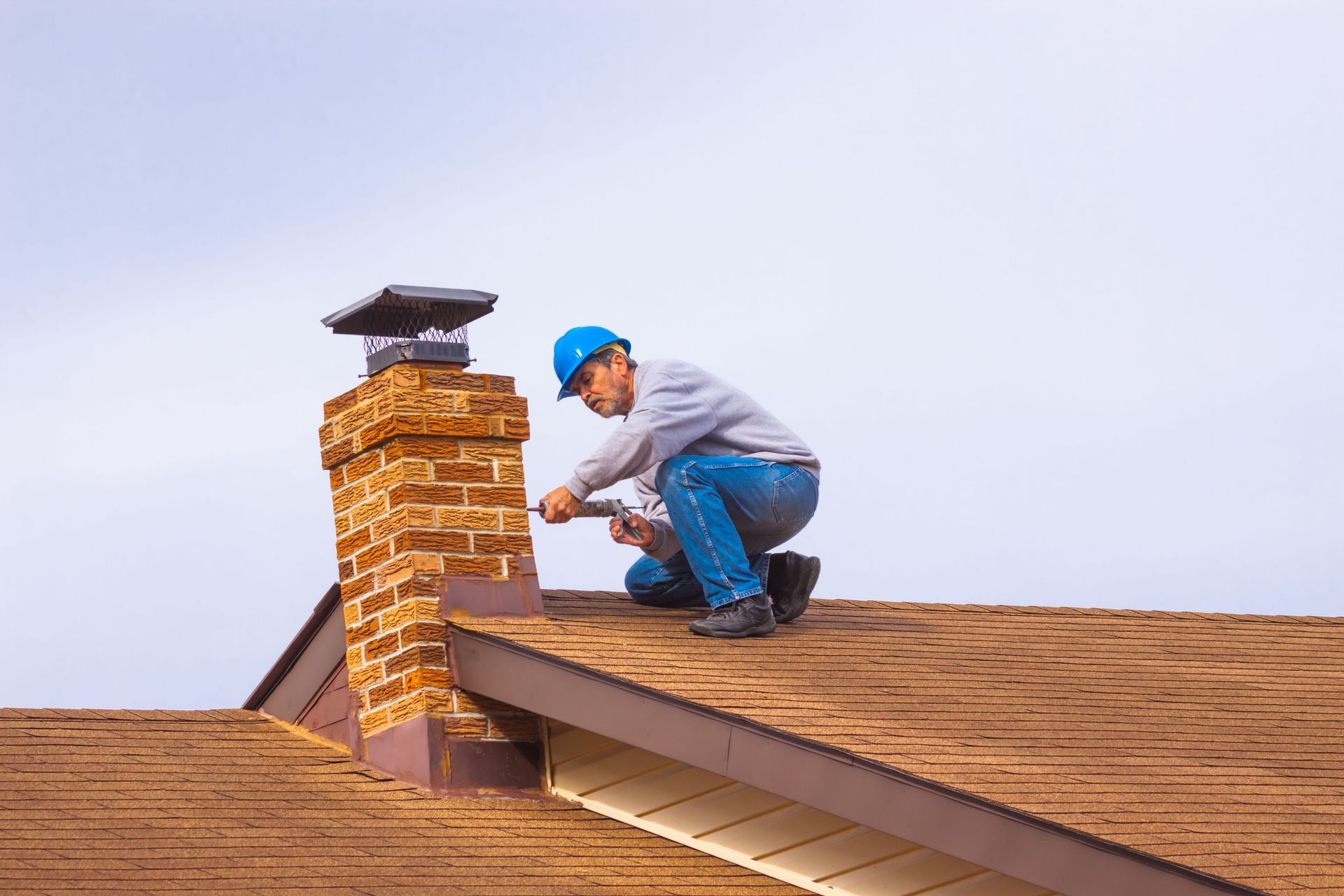
Mounting a durable metal cap over your flue opening creates a vital first line of defense against heavy rainfall. Sturdy caps crafted from stainless steel or copper deflect pouring rain away from the open flue. They also prevent falling leaves, twigs, and nesting animals from blocking proper airflow.
Covering the entire top structure with a custom metal chase cover provides comprehensive protection for exposed masonry. Deflecting standing water prevents top-down deterioration across your crown and upper brickwork. Keeping moisture out of the flue preserves internal components and extends the working life of your system.
Repairing Roof Flashing Connections
Roof flashing creates a watertight seal where your brick structure penetrates through your roofline. Over time, metal flashing panels can corrode, warp, or pull away from brick surfaces due to roof movement. Damaged or poorly sealed flashing remains one of the most frequent sources of sudden household water leaks.
Repairing or replacing worn flashing involves weaving new metal sheets beneath existing roof shingles and securing them tightly against brickwork. Technicians apply waterproof sealants along upper edges to stop driving rain. Restoring this critical roof barrier protects your attic and ceilings from hidden water damage.
Applying Waterproofing Treatments
Treating exterior masonry with water-repellent sealants shields porous bricks from heavy rain. Combining sealant application with a thorough chimney repair shields porous bricks from heavy rain. Professional sealants penetrate deep into brick pores while allowing the masonry structure to breathe out trapped internal vapor. This breathable barrier prevents water from soaking into exterior walls during heavy storms.
Applying water-repellent coatings helps masonry resist damaging freeze-thaw cycles throughout winter. Protecting raw brickwork reduces spalling, efflorescence, and surface cracking over time. Regular waterproofing applications keep your structure looking clean while preserving its strength.
Addressing Daily Wear and Deterioration
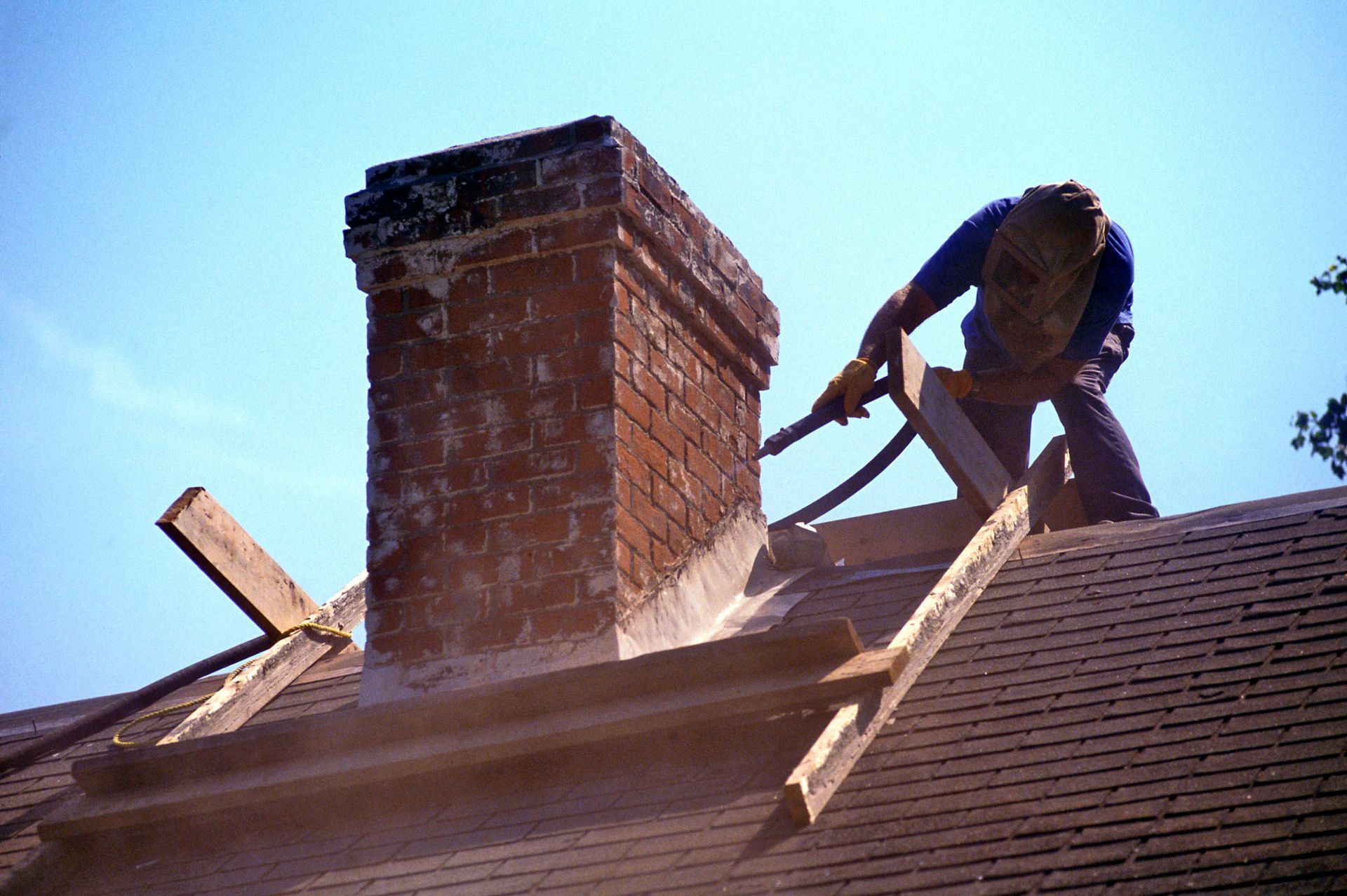
Mortar joints naturally soften, crumble, and erode faster than solid clay bricks. When mortar wears away, open joints allow water to pool between bricks, accelerating structural breakdown. Tuckpointing restores these damaged joints without requiring complete masonry teardown.
Technicians carefully scrape away decaying mortar to a uniform depth before filling gaps with fresh, color-matched mortar. Performing tuckpointing during a chimney repair strengthens aging walls and restores a neat, uniform appearance to your exterior facade. Compacting the new mortar creates a smooth, water-tight joint that matches your original brickwork.
Replacing Damaged Bricks and Masonry
Bricks that suffer severe cracking or spalling lose their structural load-bearing capacity. Leaving broken bricks in place puts extra pressure on surrounding masonry, causing damage to spread across the wall. Removing individual damaged bricks stabilizes the surrounding structure before broader failure occurs.
Masons carefully extract deteriorated bricks and clear away old setting mortar. They install fresh, matching bricks using high-strength mortar mixtures designed for exterior exposure. Completing a comprehensive chimney repair replaces compromised bricks, restoring structural integrity while maintaining a cohesive look across your entire facade.
Reinforcing the Internal Flue Structure
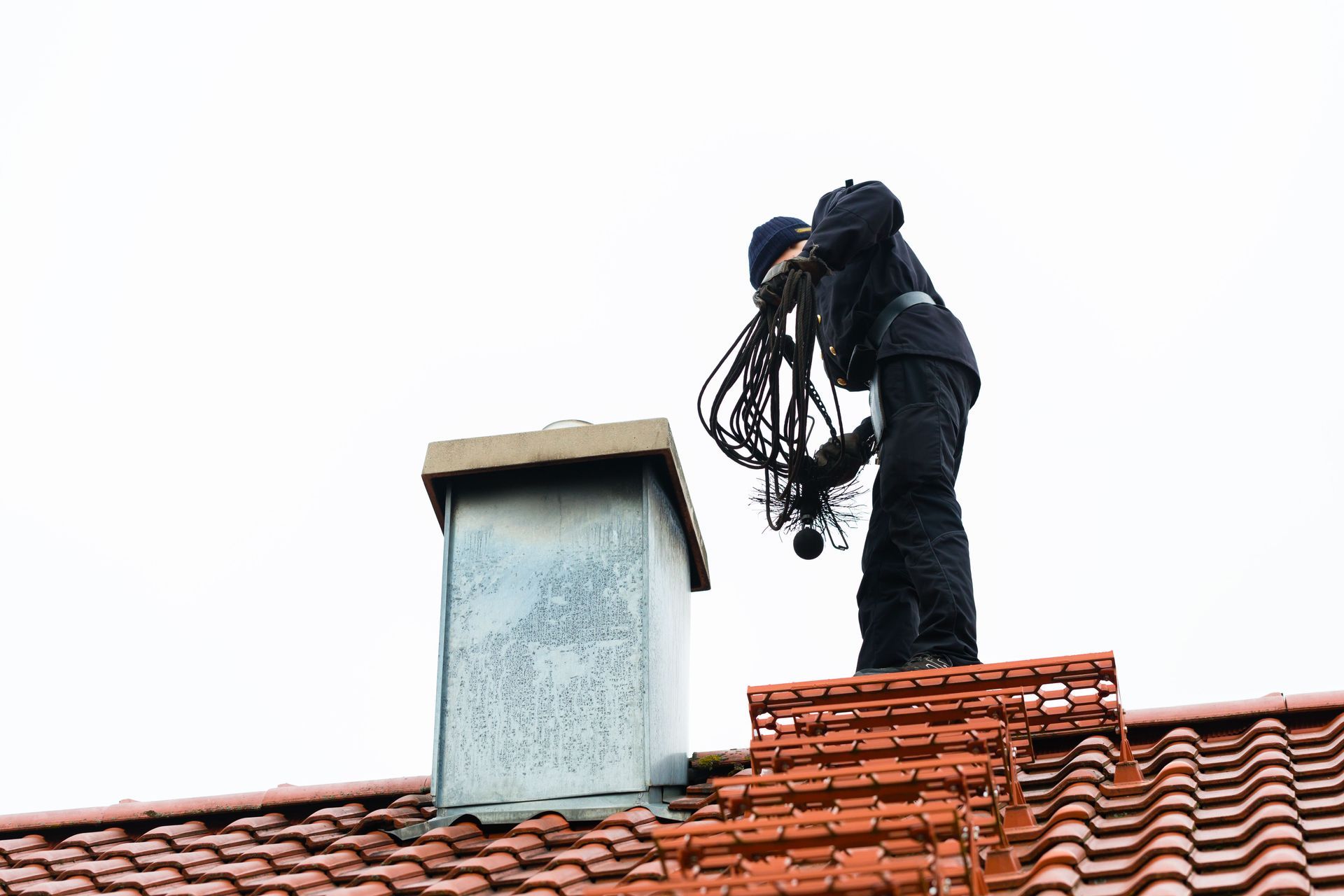
Internal flue liners protect surrounding framing from intense heat and corrosive flue gases. Over decades of use, clay tile liners can crack, flake, or shift out of alignment. Installing a flexible stainless steel liner restores a smooth, continuous exhaust channel from your firebox to the top cap.
A fresh liner improves draft efficiency while containing heat safely within the venting path. Stainless steel liners resist acid condensation and extreme thermal shifts, providing durable internal protection. Updating your flue lining reduces creosote buildup and optimizes fireplace performance.
Maintaining your fireplace system requires experienced care, quality materials, and thorough attention to detail. From fixing subtle mortar cracks to resolving complex water leaks, taking care of your masonry protects your home investment. When you need a reliable chimney repair to keep your hearth safe, working with knowledgeable local specialists gives you complete peace of mind.
The dedicated team at Mejia Chimney Services LLC offers comprehensive masonry restoration, leak resolution, and routine maintenance tailored to your home's needs. To learn more about protecting your fireplace or to schedule an inspection with our team, please contact Mejia Chimney Services LLC today.